
Let’s start this journey together.
At Advanced Bionics, we know you have questions—big ones, life-changing ones. And we are here to help answer them. Whether you are exploring cochlear implants for yourself, a loved one or a child, we will guide you through every step of the journey—from understanding your options to discovering or rediscovering the joy of sound.

Who are Advanced Bionics?
We are a company that helps people of all ages hear better. We make cochlear implants, which are special devices that help people with severe hearing loss.
For over 25 years, we have been creating advanced technology to bring sound back to adults and children who struggle to hear.
We believe everyone deserves to hear the world clearly. That is why we support families every step of the way—from learning about cochlear implants to life after surgery.
If you, your loved one or child is struggling with hearing, we’re here to help.

Why consider cochlear implants over hearing aids?
For older children, teenagers, and adults
You may be reading this because you, or someone you care about, is finding listening hard, even with hearing aids. Conversations might feel tiring. You may miss parts of speech, struggle in noise, or feel left out in group settings. Many people with severe or profound hearing loss try different hearing aids, settings, and appointments, but still don’t get the clarity they need. Cochlear implants work differently from hearing aids. Instead of only making sounds louder, they help the brain understand speech more clearly. For many people, this can make everyday listening easier and help bring back sounds like voices and music, and shared moments with others.
For babies and young children
Very young children may not be able to tell us when they are struggling to hear. Instead, we look at how they respond to sound, speech, and everyday listening. Some babies and children have hearing loss that hearing aids cannot fully support, even when they are worn consistently. Cochlear implants can help provide clearer access to sound during important early years of learning. This early listening support can help children develop their communication and language skills, and understanding of the world around them as they grow.
If hearing aids are not giving enough access to sound—at any age—it may be helpful to learn more about cochlear implants and whether they could be the right next step.
How does a cochlear implant work?
Your path to hearing with a cochlear implant
1
Referral
If you are considering a cochlear implant, the first step is to get a referral to a cochlear implant centre from a hearing professional—such as an audiologist, ENT specialist, or GP. They will assess your hearing and determine if you meet the criteria for a cochlear implant.
There are many NHS cochlear implant centres across the country and a few private clinics that also provide cochlear implant care. If you need guidance on where to start, we are here to help!
2
Assessment
A multidisciplinary team of specialists will conduct a thorough assessment to determine whether a cochlear implant is a suitable option for you. This process typically includes a comprehensive hearing assessment, medical examinations, and a discussion of your hearing history, communication needs, and expectations. The aim is to ensure that a cochlear implant would provide meaningful benefit and that you are fully informed about the potential outcomes and next steps.
3
Implantation
Getting a cochlear implant means having a small surgery to place the implant inside your ear. The doctor makes a small cut behind your ear and puts the implant under your skin. This surgery usually takes 2 to 3 hours, and most people go home the same day.
During the surgery, the unique AIM system from Advanced Bionics can use the electrode to monitor the function of your cochlea, providing your surgeon with all available information for increased accuracy.
4
Programming & Listening Practice
After the surgery, your ear needs 2-4 weeks to heal before the implant is turned on. When it is time, you’ll visit your clinic to activate the implant and adjust the settings to help you hear sounds again. At first, things may sound different or strange, but over time, your brain learns to understand the sounds, and hearing gets easier.
You'll have regular check-ups to make sure your implant is working well, and do listening practice to help your brain get adjust. Some appointments may even be virtual thanks to Remote Programming!
Your child's path to hearing with a cochlear implant
1
Referral
A child may be referred for a cochlear implant by a hearing professional, such as an audiologist, ENT doctor, or GP. This usually happens when hearing aids are not helping enough.
The family is referred to a cochlear implant centre, where specialists work with children and their families.
2
Assessment
A specialist team carries out a full assessment to see if a cochlear implant is right for the child. This includes:
- Hearing tests designed especially for children
- Medical checks
- Observing how the child listens, communicates, and responds to sounds
- Talking with parents or carers about the child’s needs and development
The team uses this information to decide if a cochlear implant would be helpful and to explain the process clearly to the family.
3
Implantation
If the child is suitable and the family want to go ahead, they will have a small operation to place the cochlear implant. The surgery is takes 2-4 hours ans is done under general anaesthetic, so the child will be asleep and feel no pain.
Before the surgery, children and families can be supported to feel prepared and comfortable using the NIXI Kit from Advanced Bionics. The kit includes a soft toy character, storybooks, and play-based resources that help children understand hospital visits, surgery, and cochlear implants through play.
4
Programming & Listening Practice
After surgery, the ear needs time to heal (usually 2–4 weeks). The child then returns to the clinic for the implant activation. The audiologist programs the implant and adjusts the settings over time to suit the child’s hearing needs. At first, sounds may be unfamiliar, but with support and practice, the child’s listening skills improve.
The child will have regular follow-up appointments for programming adjustments, listening and communication support. Some of these may be carried out at home or school, and some appointments may be carried out online using Remote Programming.
Which cochlear implant would be best for me?
Everyone has a different lifestyle, and Advanced Bionics offers cochlear implants with many features and wearing options to fit your needs. Whether you are at school, work, a restaurant, or even swimming, there are solutions to help you hear clearly in any situation.
For example, if you need to hear better on the phone, Advanced Bionics has Bluetooth technology that connects directly to your phone for clearer calls. If you are in a classroom or a noisy place, there are special Roger or Partner microphones that help you focus on speech. Even if you love swimming, there are waterproof options so you can enjoy sound in the water.
The best accessories for you depends on your daily activities and what helps you learn and communicate best.
If you need guidance we will help find the right setup for your lifestyle, and Advanced Bionics has options to keep you connected wherever you go!
Hear AB cochlear implant wearers share their life stories
Mentors are real people who wear Advanced Bionics cochlear implants or support a loved one who does, and want to help others on their hearing journey. They have personal experience with cochlear implants—either as either as wearers, partners or caregivers of children with implants.
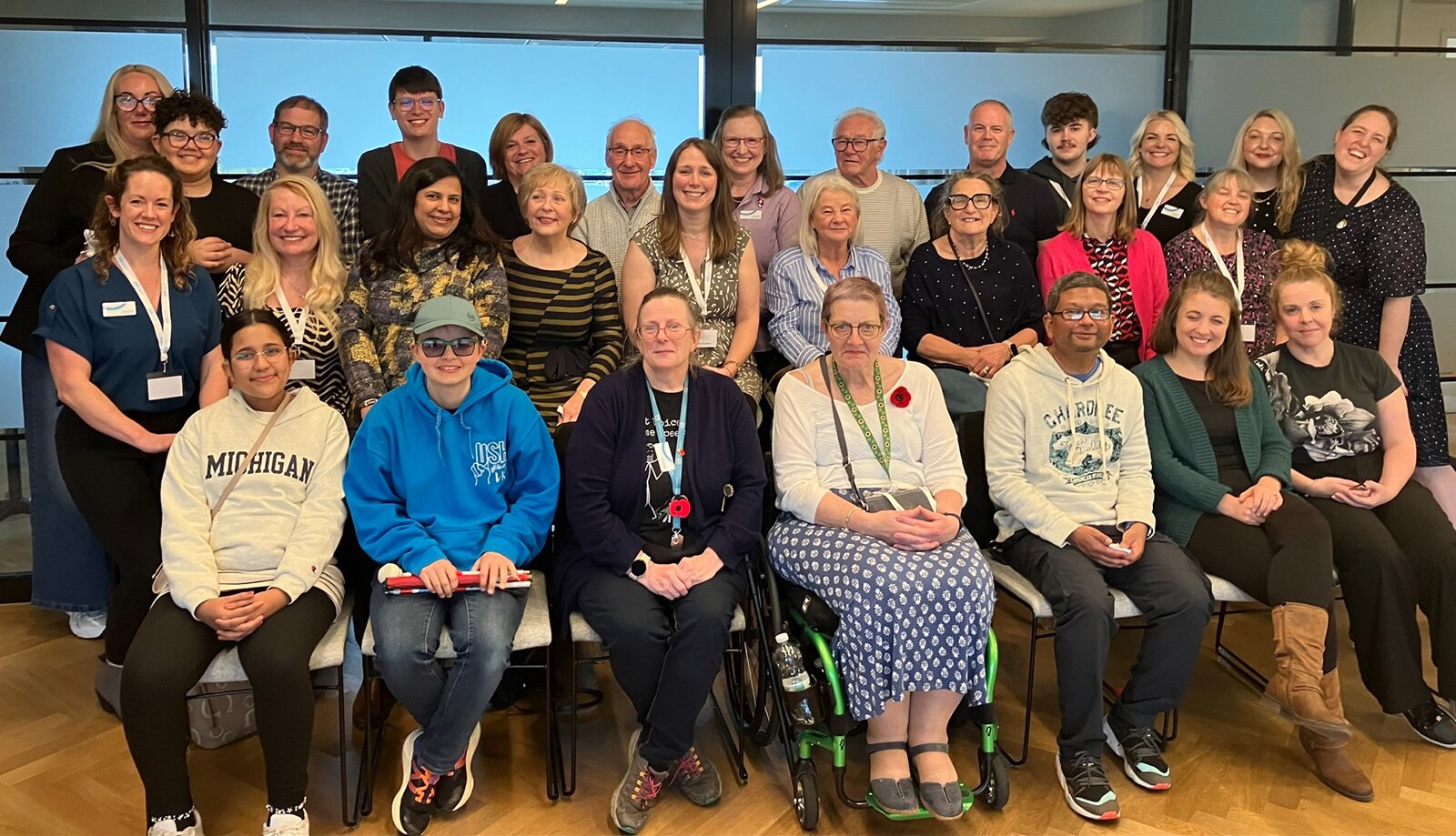
They can help by:
- Sharing their real-life experiences about what it is like to have a cochlear implant or support a child or loved one with a cochlear implant.
- Answering your questions about surgery, activation, and daily life with an implant.
- Giving advice and support based on their own journey.
- Helping you feel more confident about your decision.
Talking to an AB Mentor can be helpful if you're thinking about getting a cochlear implant or if you're new to using one. They understand what you are going through and can offer support from someone who has been in your shoes.
Would you like to connect with an AB Mentor? Advanced Bionics can help match you with someone who understands your situation!
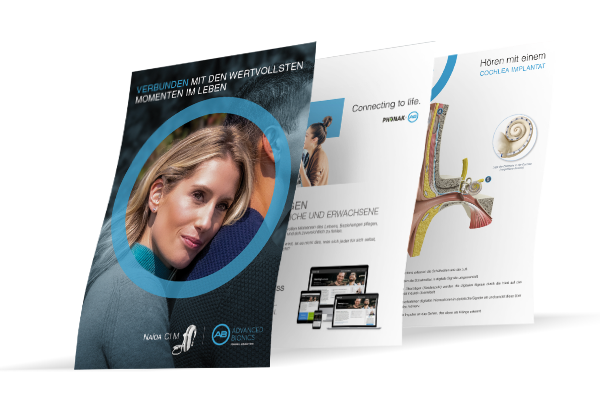
Want to find out more?
Order your free information pack now and learn more about hearing with a cochlear implant.
Frequently Asked Questions

In the past having a cochlear implant could make getting an MRI scan difficult because of the strong magnets inside the implant. But Advanced Bionics has solved this problem!
With the latest HiRes™ Ultra 3D Cochlear Implant, you can have an MRI scan safely and comfortably without needing surgery to remove the magnet.1 The design allows the magnet inside the implant to move with the MRI machine, meaning no pain, no bandaging, and no need for extra procedures.
This means that if you ever need an MRI for a medical check-up, you can have it done just like anyone else, without worrying about your implant. Advanced Bionics makes sure you stay safe, comfortable, and connected.
Traveling with a cochlear implant is easy, and with Advanced Bionics, you can stay connected no matter where you go! Here are some important things to know:
- Airport Security: Your cochlear implant will not set off metal detectors, but security scanners might detect it. You can tell airport staff that you have an implant, and you will not have to remove it. You may be asked to do a hand-held scanner check instead.
- Hearing on a Plane: You can use Bluetooth accessories to connect to in-flight entertainment or talk to people around you. Some Advanced Bionics sound processors also have settings to reduce background noise, making it easier to hear in busy airports and on planes.
- Waterproof Options: If you are going somewhere with beaches, pools, or water activities, Advanced Bionics offers waterproof batteries and accessories so you can still hear while swimming.
- With a little planning, your cochlear implant will not hold you back from exploring the world!
Most sports can be played without any problems with cochlear implants. The only exceptions are some martial arts (e.g. boxing), as the implant could be damaged.
Flexible wearing options allow for comfortable wear with a secure fit - even during the most adventurous activities.
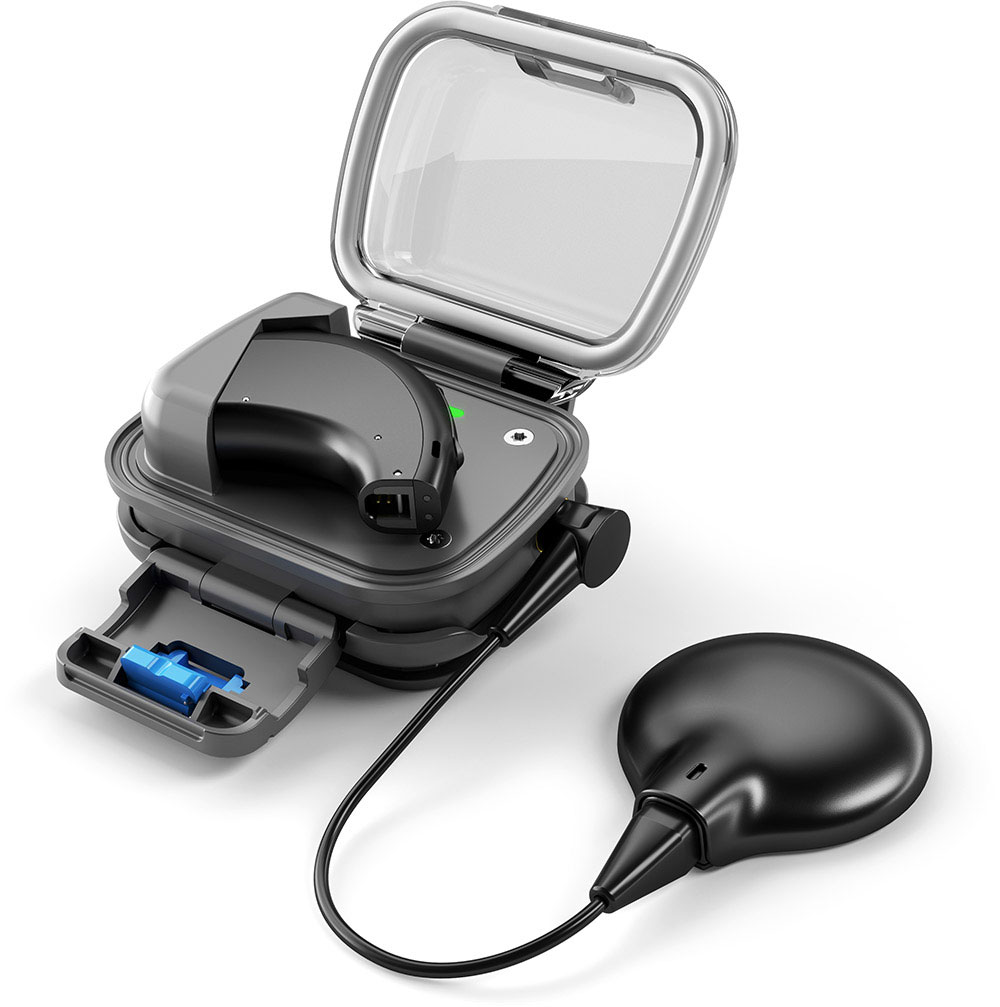
Waterproof batteries ensure that you always hear well and don't have to worry about the safety of your device.
Thanks to the waterproof AquaMic™ headpiece, you don’t have to miss out on hearing when splashing around in the water or swimming.
Wearing options for all ages and lifestyles
Our cochlear implant systems can be worn in different ways to fit your or your child’s changing needs. Each wearing style is designed to give the most comfort, convenience, and great hearing performance.
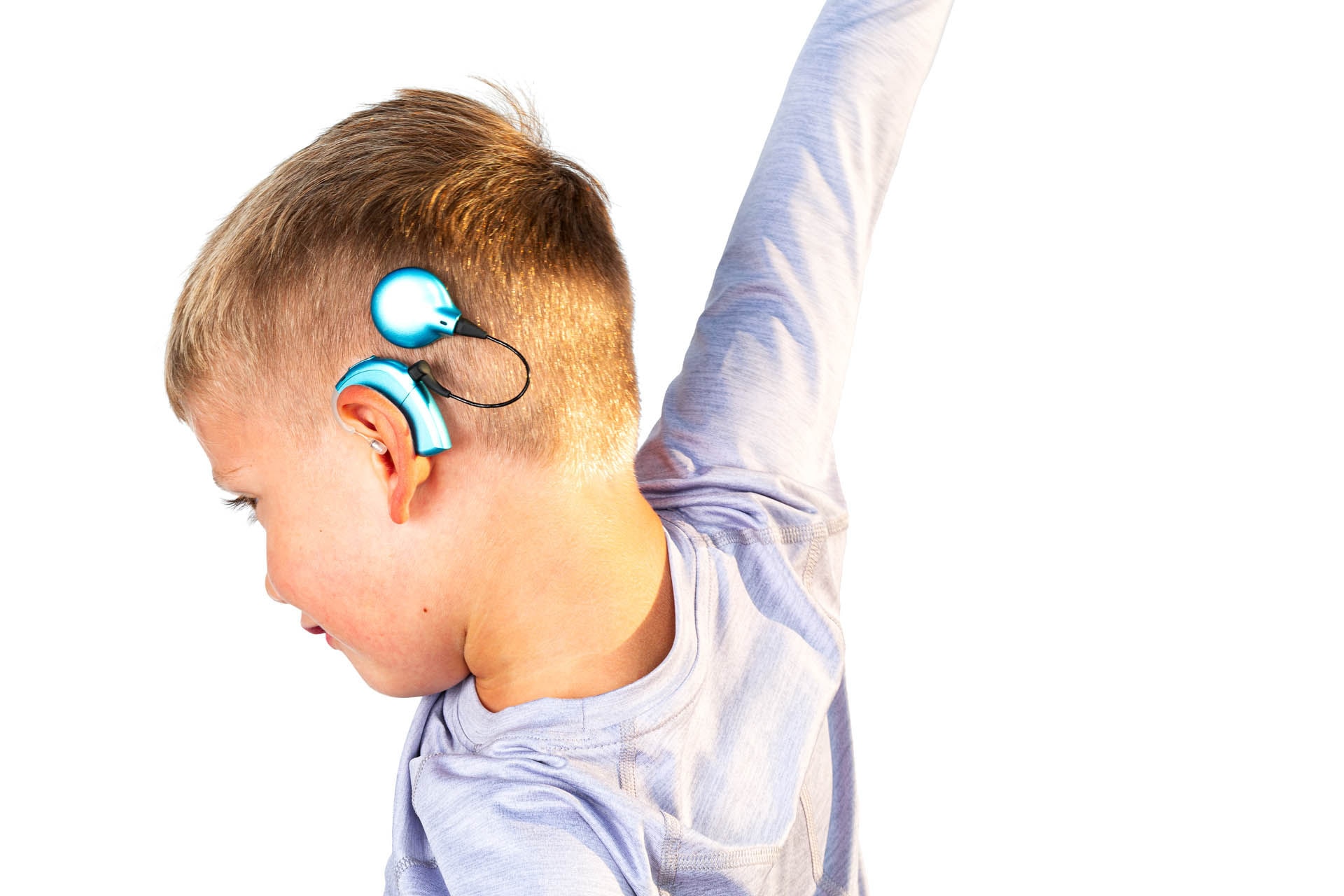
Behind the Ear
Great for those who want an out-of-the-way system.
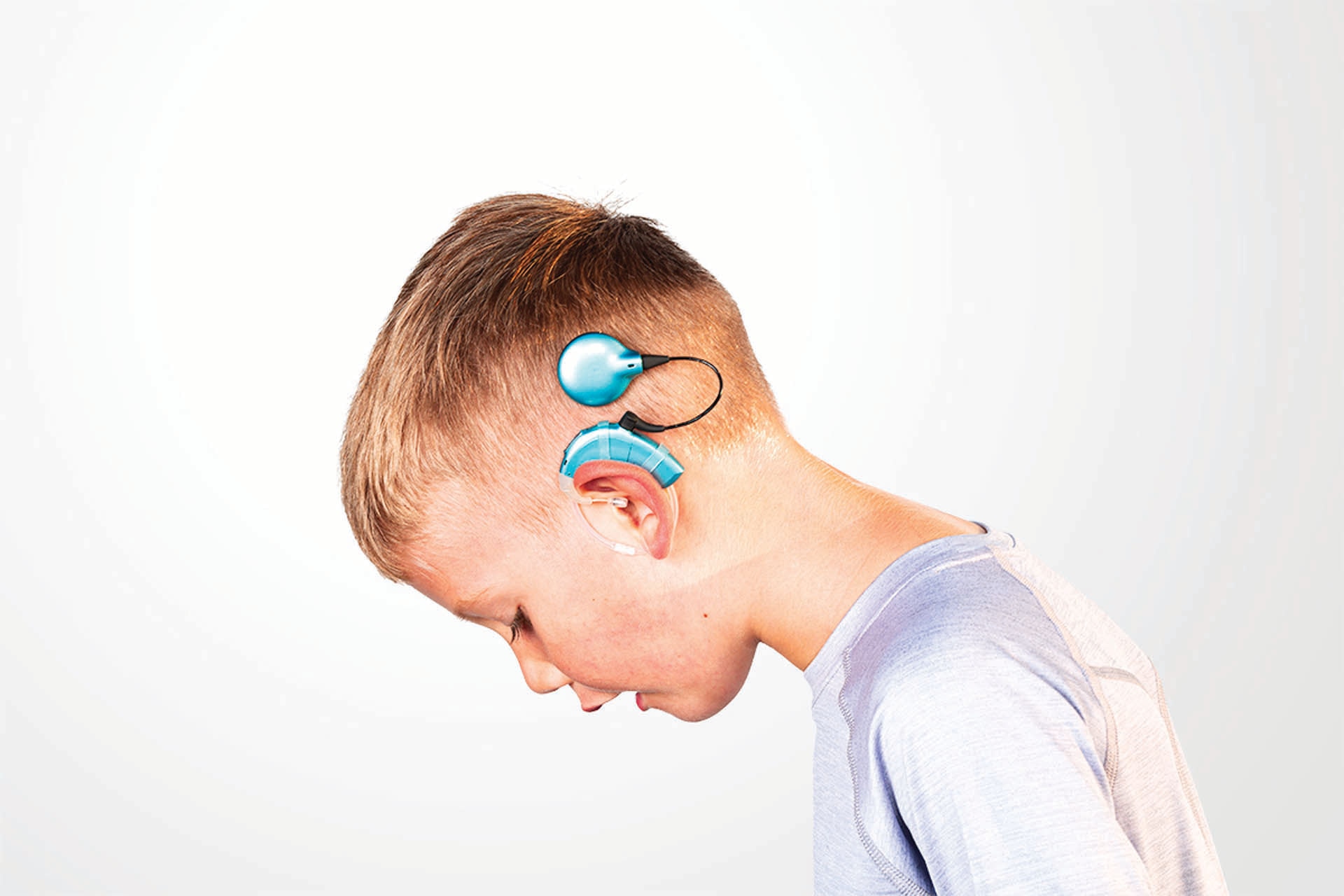
Safe on The Ear
Ideal to keep it safe and secure on the ear with our Marvel CI retention options.
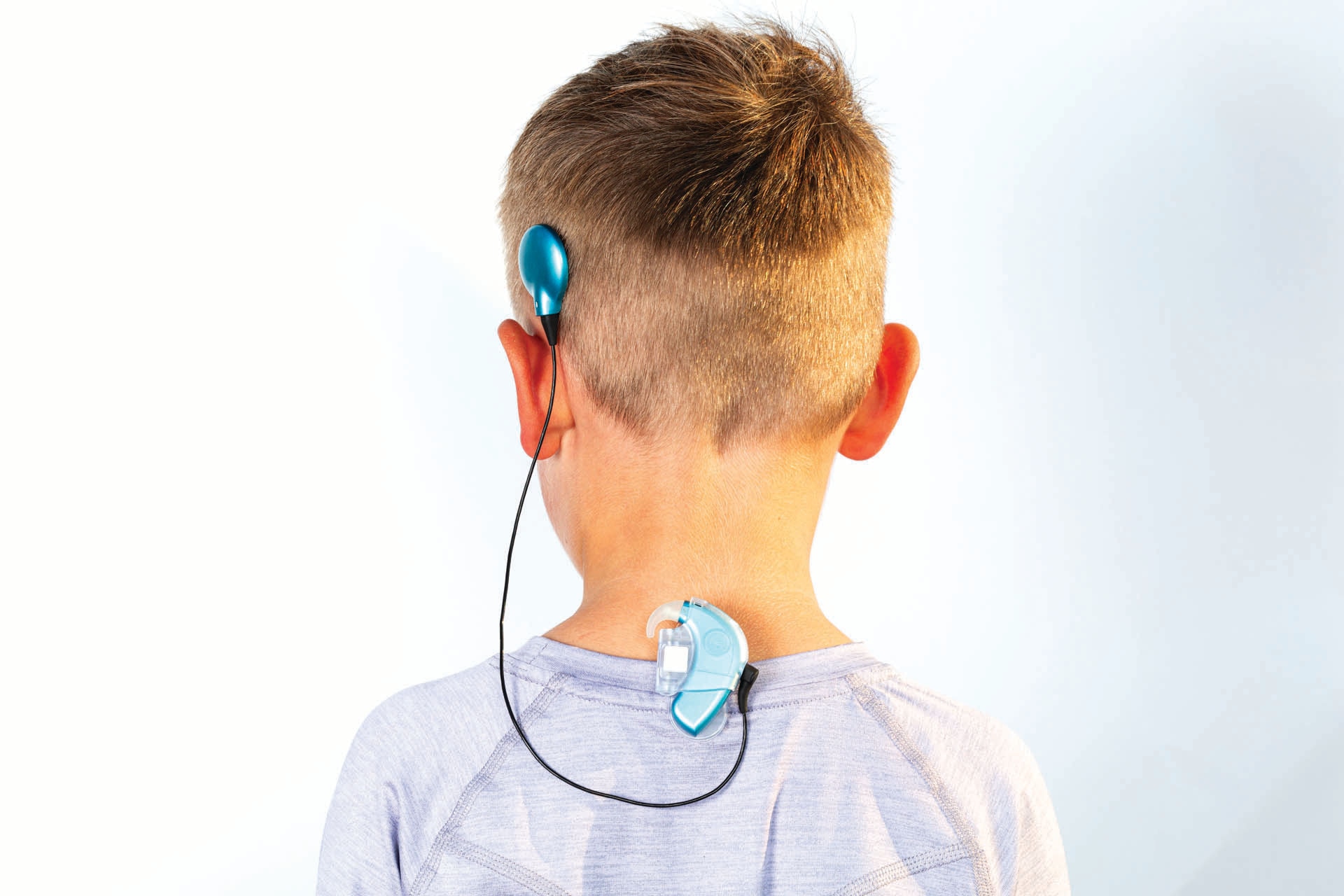
Nothing on the Ear
By using a unique microphone in the headpiece, the Marvel CI can be securely tucked away. This is an excellent choice for active children, those with small ears, or anyone wanting a discreet wearing option.
Did you know that only AB offers a microphone that captures the natural acoustics of the ear? The unique M T-Mic on Marvel CI is proven to help you know where sounds are coming from,2,3,4 give better sound quality, and improve speech understanding in difficult listening situations.5
Even when not using a M T-Mic, AB’s Real Ear Sound can deliver similar T-Mic benefits!
Yes! In fact, hearing with a hearing aid in one ear and a matching cochlear implant in the other ear may help you hear better in noisy places and help you know where sounds are coming from. AB offers a variety of solutions that, like your natural ears, work together to maximise your hearing.
Very young children can get a cochlear implant depending on their health, the cause of their hearing loss, and other factors such as the hospital. Having a cochlear implant as early as possible can help your child hear voices and speech, so they can learn language and speech.
Talk with your child’s audiologist to decide if cochlear implants may be right for your child.
We hear best with two ears. Hearing with both ears helps us to know where sounds are coming from, and understand speech better in noisy places.
Depending on the audiologist’s advice, children may get both ears implanted at the same time. Others may get one implant first before getting another one later.
-
Summerfield AQ, Kitterick PT. (2010). Effects of microphone location on the performance of bilateral cochlear implants. Advanced Bionics White Paper.
-
Jones HG, Kan A, Litovsky RY. (2016). The Effect of Microphone Placement on Interaural Level Differences and Sound Localization Across the Horizontal Plane in Bilateral Cochlear Implant Users. Ear and hearing, 37(5), e341 e345.
-
Mayo PG, Goupell MJ. (2020). Acoustic factors affecting interaural level differences for cochlear implant users. The Journal of the Acoustical Society of America, 147(4), EL357.
-
Gifford R. (2008). Speech Perception in a Realistic Background Noise: Effectiveness of Preprocessing Strategies and External Options for Improving the Signal-to-noise Ratio. Presentation at the 10th International Conference on Cochlear Implants and Other Implantable Auditory Technologies, San Diego, CA, April 10–12.
Contact Us


Learn
Explore
Connect
About AB
Contact Us
