
What Does a Cochlear Implant Sound Processor Do?
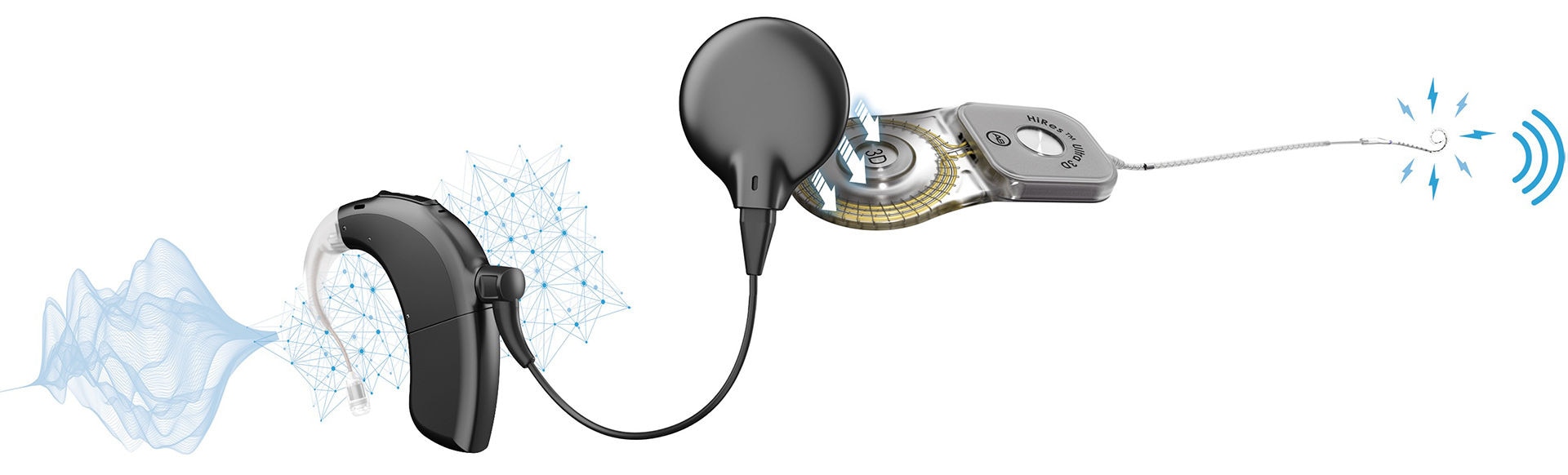
A cochlear implant uses two parts to help people hear better. One is placed under the skin behind your ear during a short surgery. The other is a small unit that looks a bit like a hearing aid, called the sound processor. The cochlear implant sound processor is the part you put on each day. It picks up the sounds around you and sends them to the implant so you can hear.
In this article, we explain what a cochlear implant sound processor is, how it works with the implant, and what wearing one is actually like.
How a Sound Processor Works with the Cochlear Implant
The microphones on the sound processor pick up the sound around you. That sound is then converted to digital signals. Those digital signals are sent through the headpiece to the implant, where they are converted to electrical signals.
The implant has electrodes that deliver the signal to the hearing nerve. This skips past the parts of your inner ear that aren't working as well as they used to.
A cochlear implant is fundamentally different from a hearing aid. A hearing aid makes sound louder, which can help when your inner ear is still able to do some of the work. But if your inner ear can't process sound clearly, turning up the volume only goes so far. Louder sound isn't enough for many people with severe to profound hearing loss.
That’s why, instead of making sound louder, a cochlear implant sound rocessor works with the implant to get sound straight to your hearing nerve.
What Is It Like to Wear a Sound Processor?
A sound processor will feel familiar if you already wear a hearing aid. It's lightweight and sits behind your ear in a similar way. Most people find it comfortable enough to forget it's there after the first few weeks.
A modern sound processor listens to the environment around you and adjusts automatically. You could be in a quiet room at home, then walk into a busy restaurant, then step outside on a windy day, and the processor adapts each time without you needing to touch it.
Sound processors also connect to the devices you use every day so you can take phone calls, stream music, or follow along with a TV show without needing extra equipment. A cochlear implant can transform the daily lives of people who have been struggling to hear on the phone or find themselves turning the TV up louder and louder.
Sound Processors Can Be Upgraded Over Time
The internal part of your cochlear implant is designed to last for many years. Modern implants are designed to be upgradable, so you won't need additional surgeries to keep up with advances in technology. The sound processor, in contrast, can be upgraded to a newer model as technology improves over the years.
You benefit from clearer sound and smarter features as processors get better. People who received their cochlear implant years ago are wearing processors today that sound better and do more than the one they started with.
Ready to Take the Next Step?
Ready to Take the Next Step?
A cochlear implant evaluation is a simple appointment with a hearing care professional. You'll find out if a cochlear implant could help you hear better than your current hearing aids.
Cochlear Implant Processor FAQ
The sound processor has a small magnet in the headpeice that connects to a matching magnet inside the implant, just beneath your skin. The two magnets attract each other through the skin and hold the processor in place.
For activities where you want extra security, accessories like headbands and clips can help keep everything in place.
The internal implant is designed to last many years. The external sound processor typically lasts five to ten years before it needs to be replaced. Because technology keeps advancing, a replacement usually means an upgrade to a newer model with better sound quality and features.
Most sound processors need to be removed around water. However, Advanced Bionics cochlear implant systems offer waterproof accessories that protect the processor during water activities like swimming, showering, or spending time at the beach.
Yes. Many people wear a cochlear implant in one ear and a hearing aid in the other. This is called bimodal hearing. Some sound processors and hearing aids are designed to work better together, including Advanced Bionics cochlear implants and Phonak hearing aids.
Your Next Steps for Better Hearing
Learning about the sound processor is a good starting point, but there's plenty more to explore when you're thinking about cochlear implants. If you're wondering whether a cochlear implant might be a good fit for your hearing loss, you can learn more about your options here.




Learn
Explore
Connect
About AB
Contact Us
