
Living with Hearing Loss in One Ear
You have one good ear. People say that should be enough. But it isn’t.
You arrive at a restaurant and scan the table. You try to choose your seat carefully so your good ear faces the group. Someone speaks from your deaf side anyway. You miss it. You turn your head. You smile and fill in the gaps.
By the end of the night, you are exhausted. Not from the conversation, but from the effort of trying to follow it.
Living with hearing loss in one ear is rarely silent. It is constant compensation.

What Is Single-Sided Deafness?
In Australia, Single-Sided Deafness, or SSD, is diagnosed through a comprehensive hearing assessment by a qualified audiologist. It means one ear has little or no usable hearing while the other ear hears normally. It is also known as:
- Deafness in one ear
- One-sided hearing loss
- Unilateral hearing loss
- Mono or monaural hearing
SSD is a recognised hearing condition affecting both adults and children across Australia.
Some people are born with it. Others experience sudden hearing loss in one ear due to illness, injury, or medical causes. The cause may differ. The daily impact is often similar.
Why One Good Ear Is Not Always Enough
Your brain is designed to use both ears together. Two ears help you:
- Locate where sound is coming from
- Separate and understand speech in background noise
- Follow conversations in busy places
- Reduce listening effort
When only one ear is working, the brain compensates.
It works harder. That extra effort builds up over the course of a day.

Treatment Options for Deafness in One Ear in Australia
A hearing test is the first step in determining which treatment may be suitable. In Australia, treatment options for deafness in one ear may include hearing devices or surgical solutions, depending on your hearing profile.
CROS System
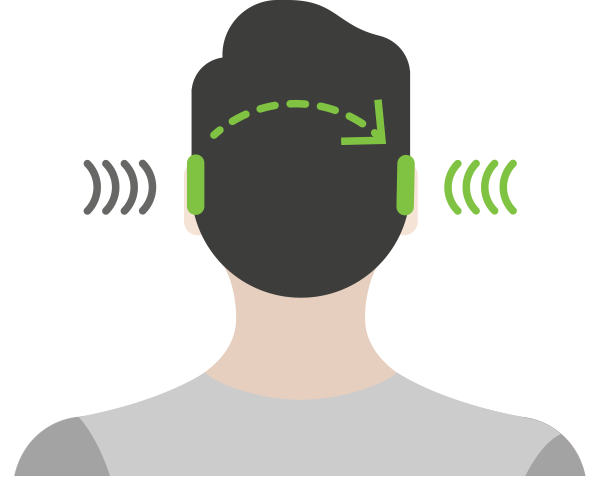
CROS stands for Contralateral Routing of Signal. It is a hearing device that picks up sound from your deaf side and wirelessly sends it to a device on your hearing ear. This allows you to hear sounds from your deaf side, but all sounds are still processed by your hearing ear.
Cochlear Implant System
A cochlear implant system has two parts. A small implant is placed under the skin during surgery. A sound processor sits behind the ear and is worn daily. Together, they capture sound and send signals directly to the hearing nerve, bypassing the parts of the ear that are no longer working.
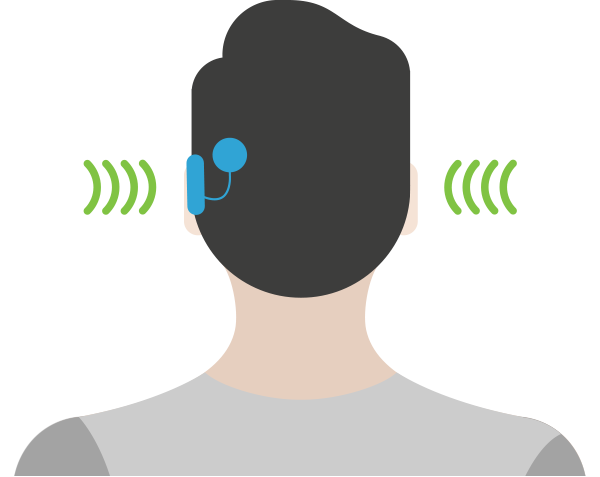
Cochlear implants have been used worldwide for decades and are an accepted treatment option for severe to profound hearing loss in one or both ears. Not everyone is a candidate for every option. A qualified hearing care professional in Australia can assess which approach may be appropriate for you.

Why Early Assessment for Hearing Loss in One Ear Matters
Our brains are designed to listen with two ears. When two ears work together, it is easier to tell where sounds come from and to follow conversations in busy places.
If hearing loss in one ear is left unaddressed, the brain gradually adapts to hearing from only one side. Over time, this can make it harder to locate sounds, follow conversations in noisy environments, and stay aware of sounds around you that support everyday safety.

The Risk of Relying on Only One Hearing Ear
When you only have one good ear, you rely on it completely for hearing, communicating, and connecting with the world around you. If your hearing changes in that ear in the future, everyday communication with friends, family, and colleagues may become much more difficult.
Relying on one ear is like going through life without a safety net. Exploring your options can give you greater peace of mind for the future.
Learn
Explore
Connect
About AB
Contact Us


